Leave the Leaves and Stems: Why Your Fall Yard Waste is a Winter Wildlife Lifeline
Want a healthier yard and a thriving local ecosystem? Discover why skipping yard work and leaving your leaves and flower stems provides a vital winter lifeline for your backyard wildlife.
The arrival of fall often signals to many that it is time to grab a rake, fire up the leaf-blower and mulcher, and bag up all the fallen leaves. But did you know that those fallen, crunchy leaves are more than yard waste? They’re also winter homes and food for many critters!
Leaf Litter Provides Valuable Wildlife Habitat
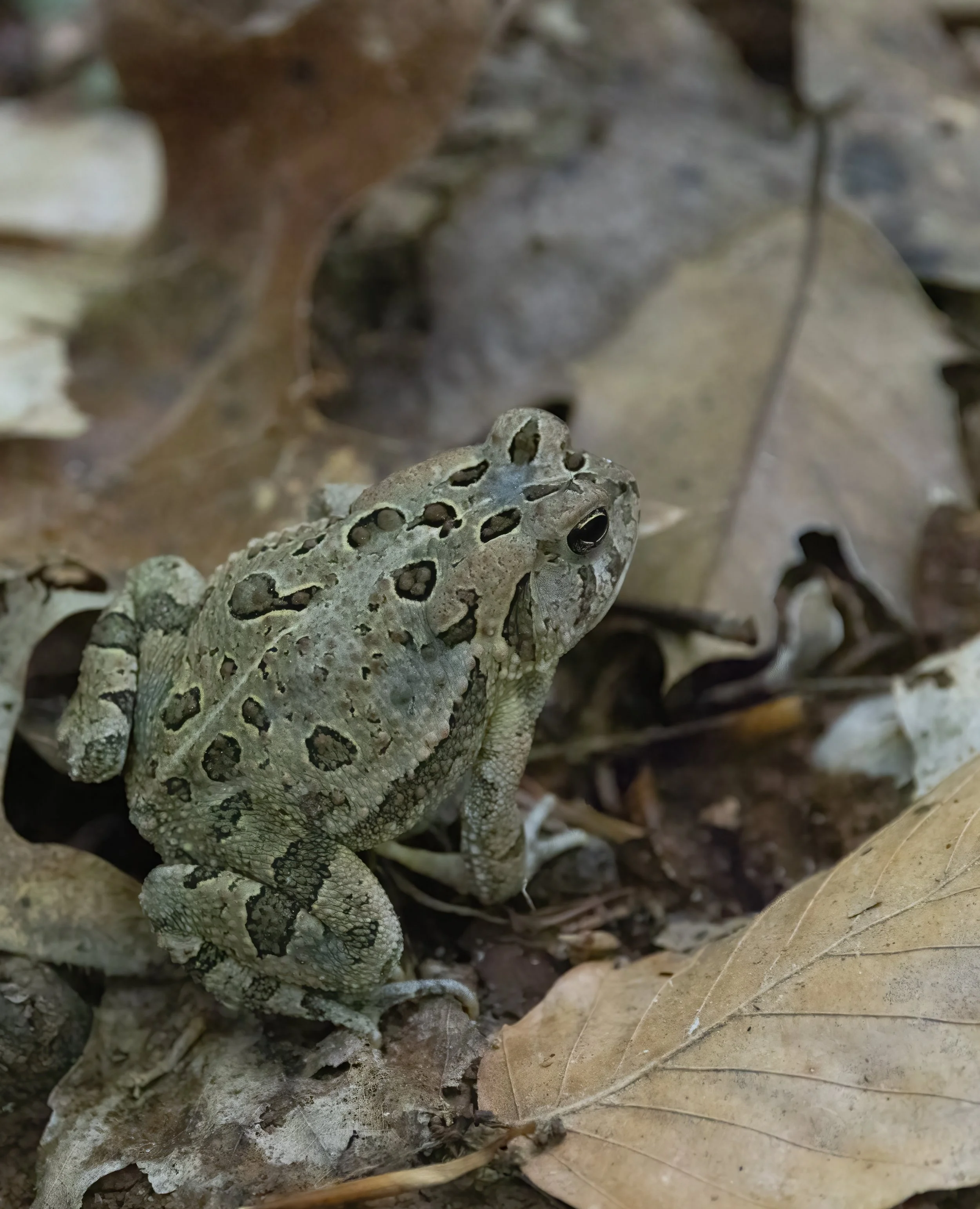
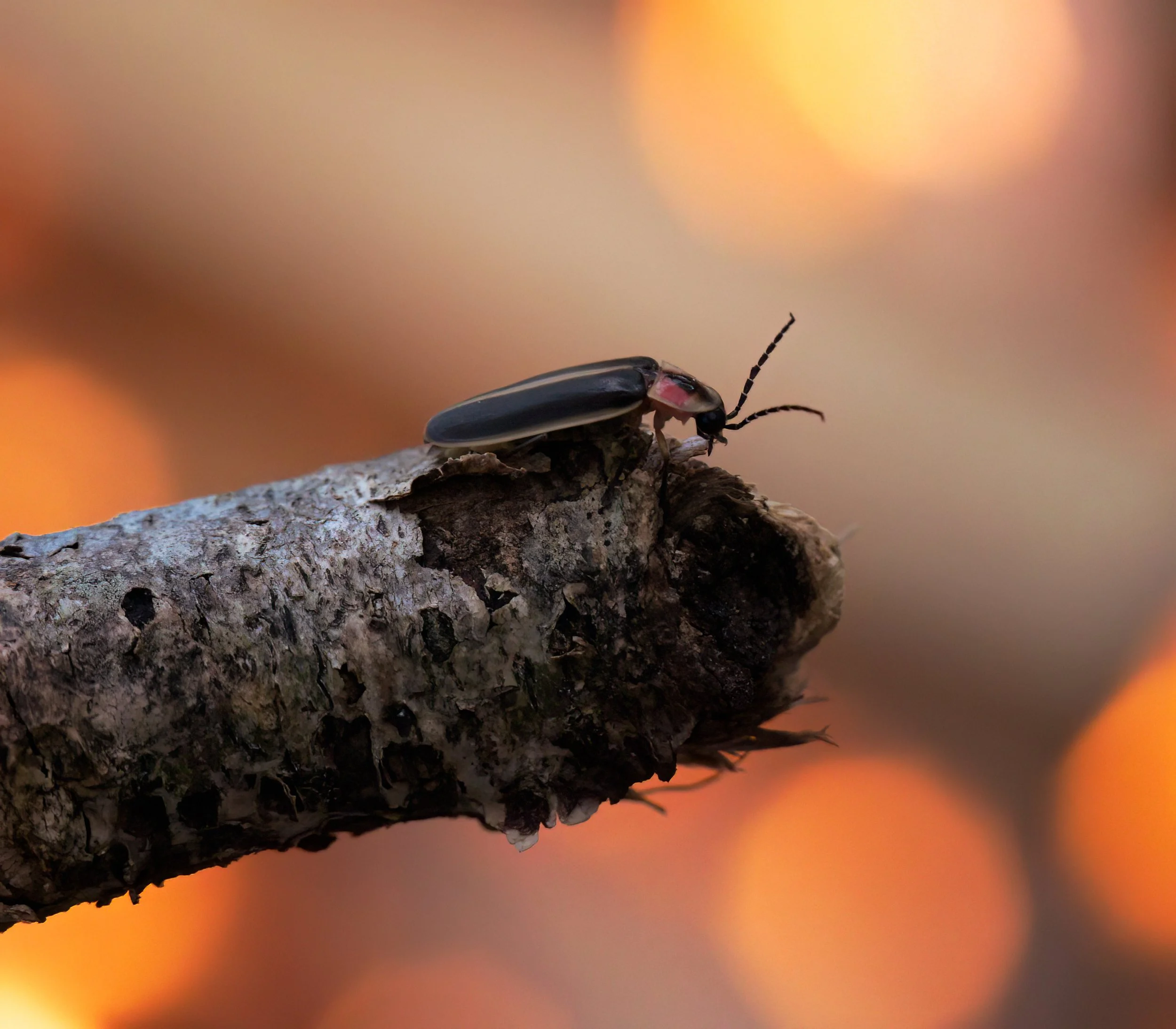
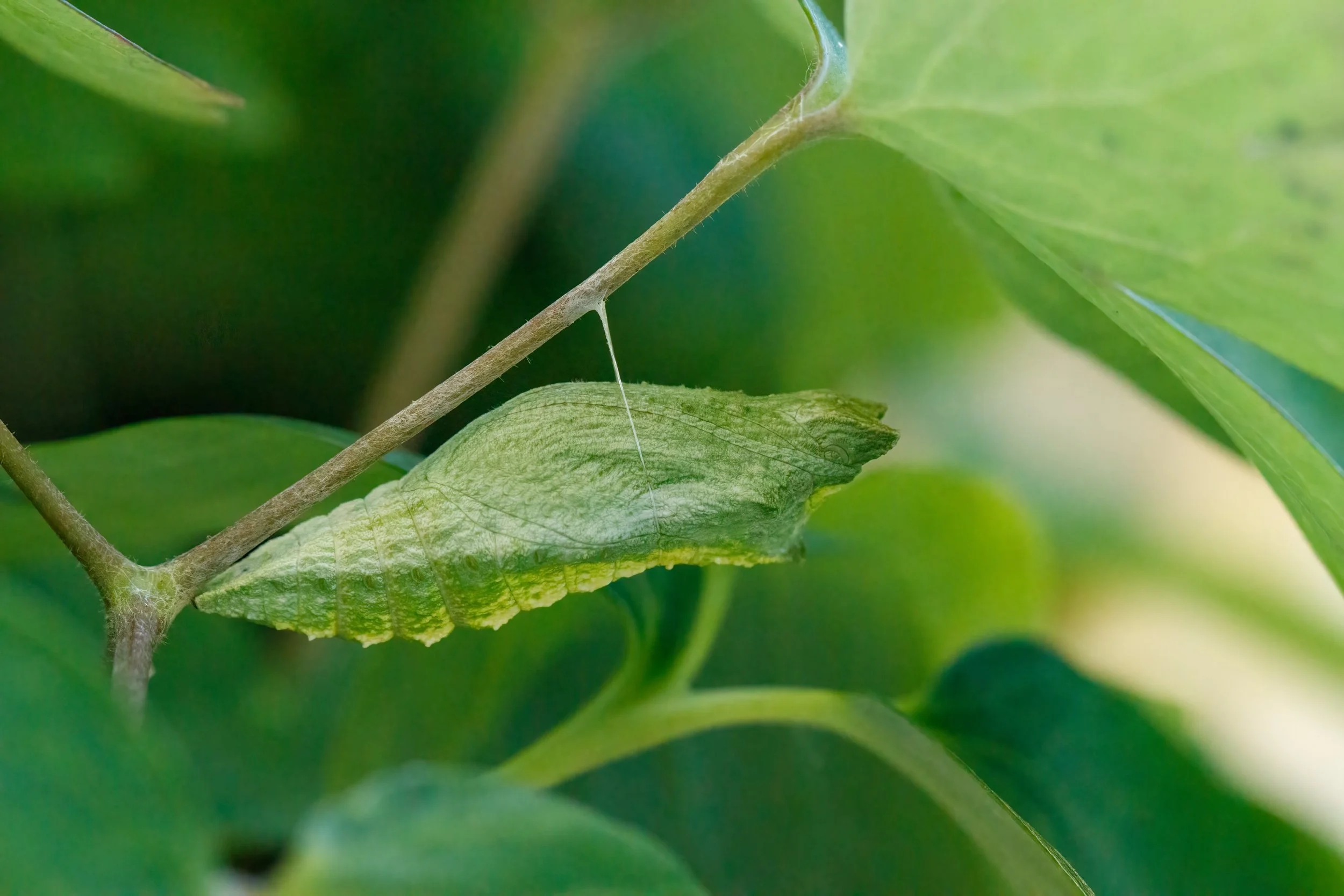
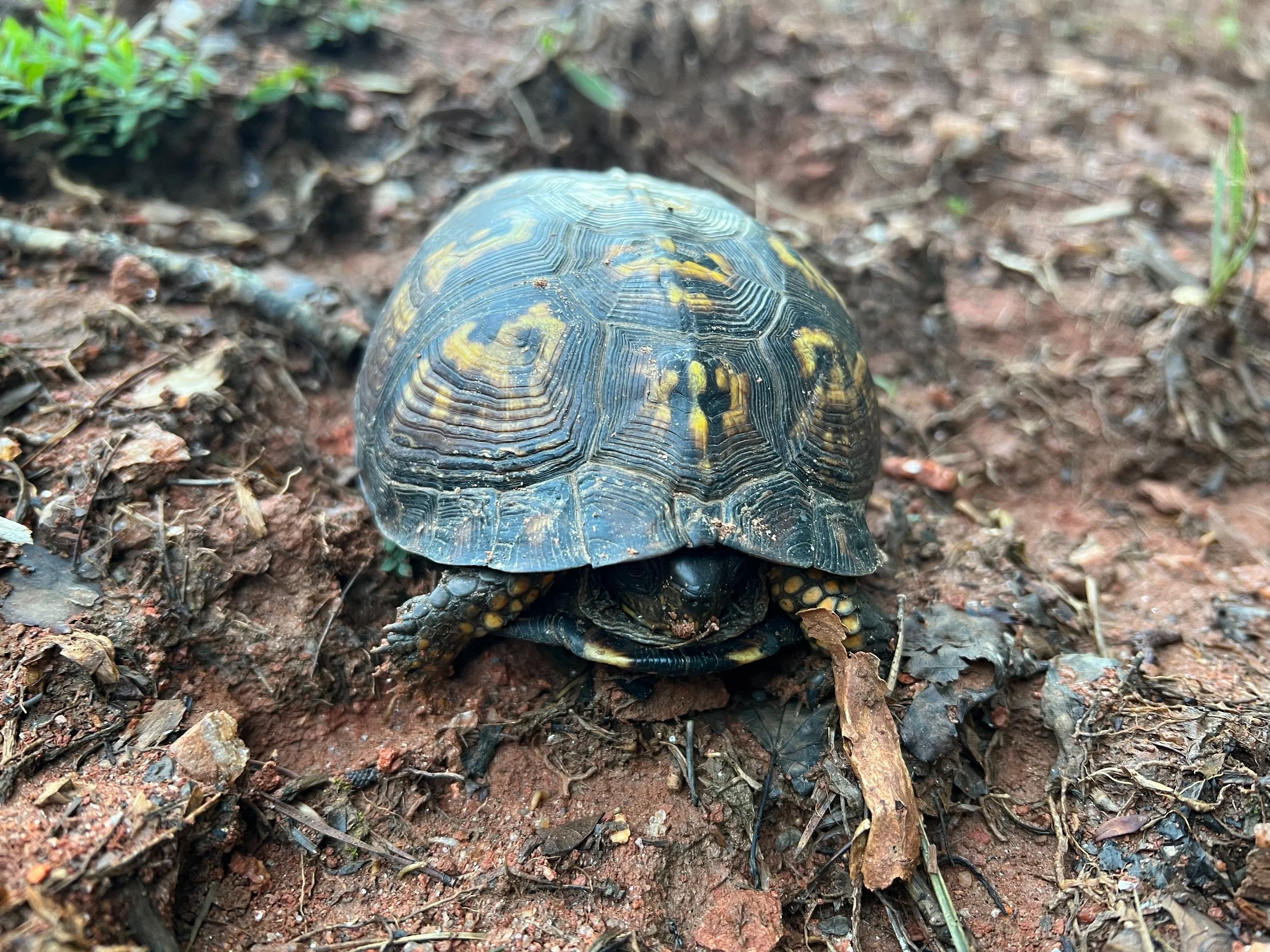
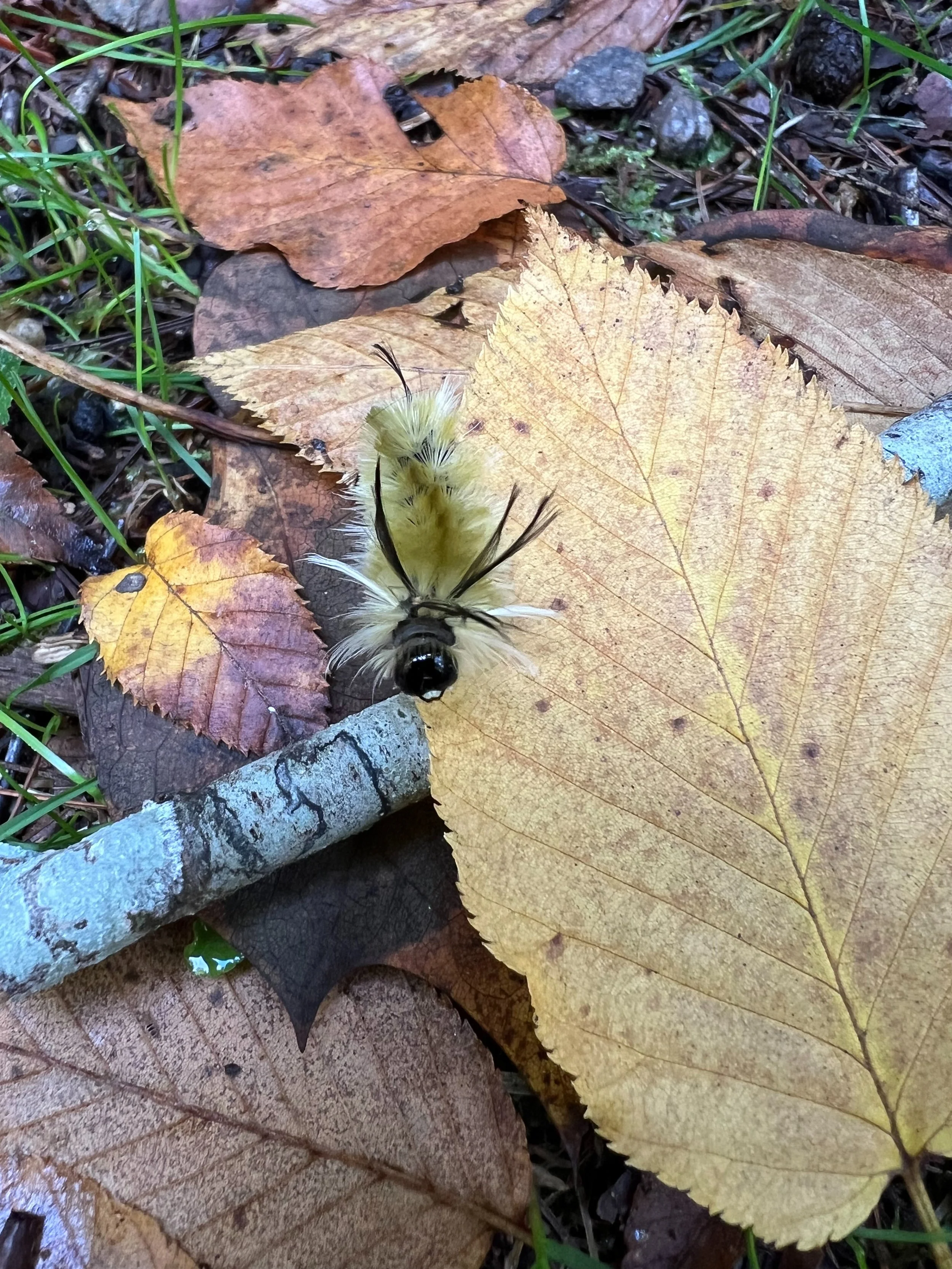
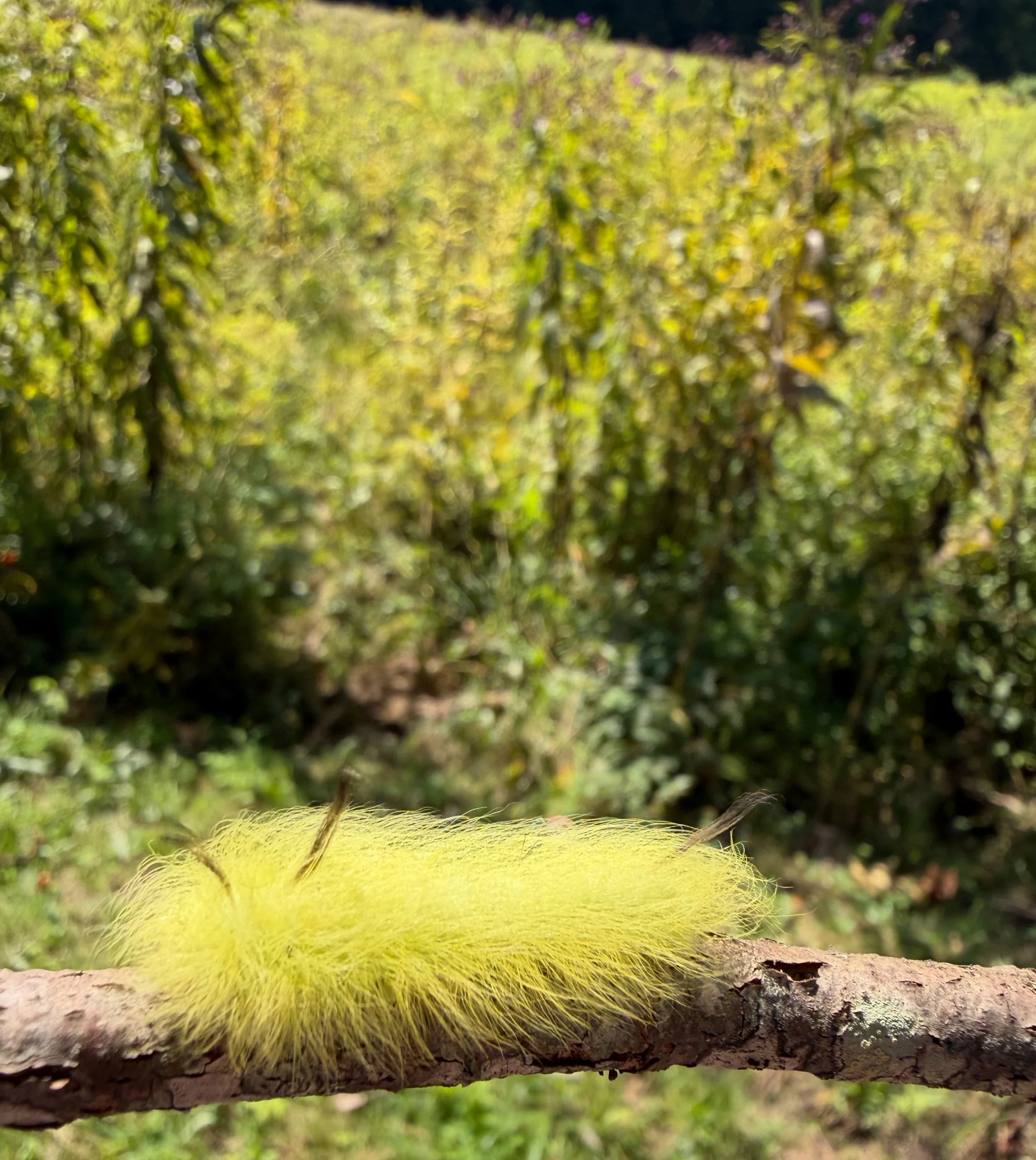
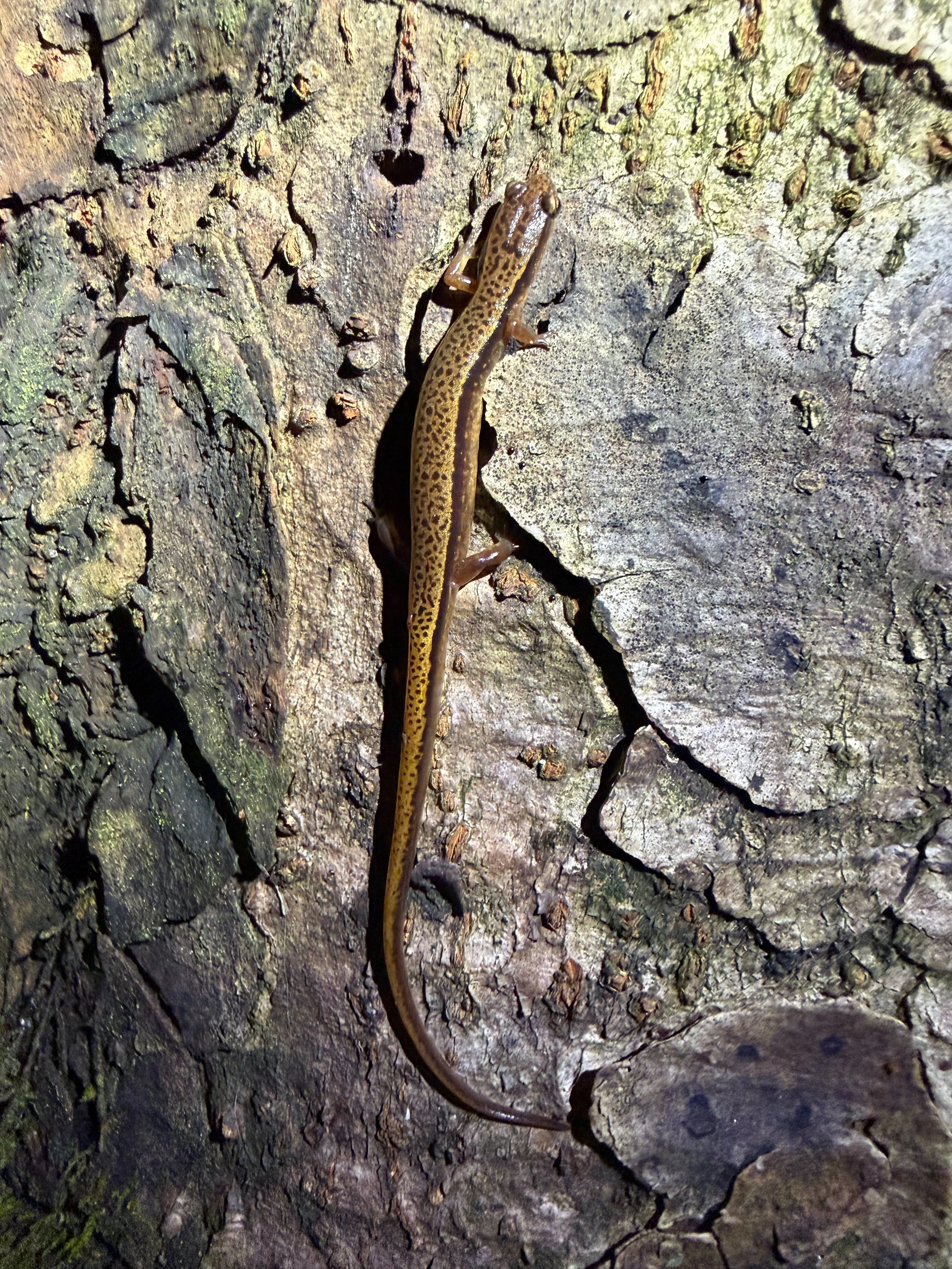
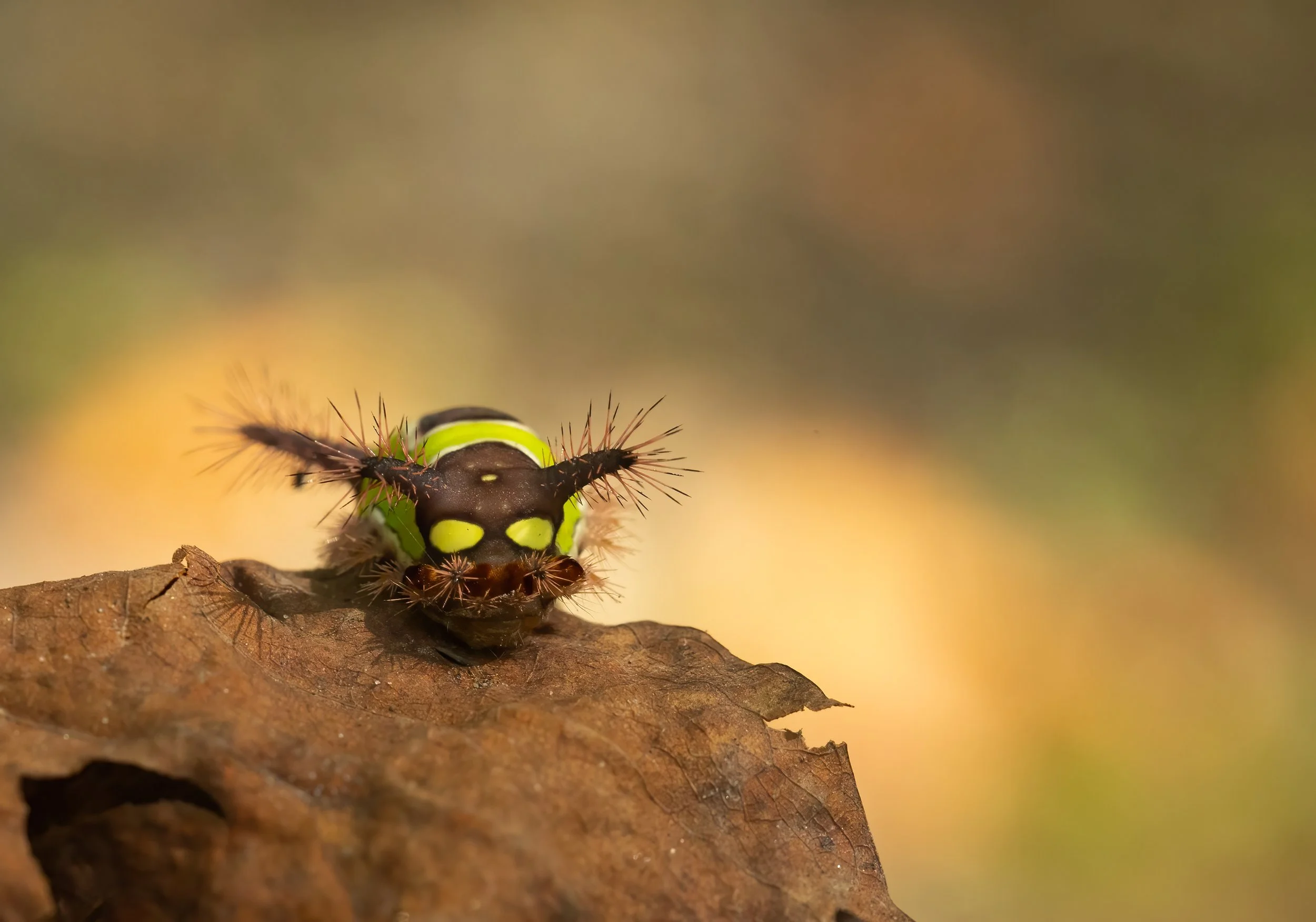
Many critters shelter throughout the winter in surprising ways. Leaf litter left on the ground becomes like a cozy blanket for them, insulating them from the cold and moisture. Here is who you are helping when you skip the bags:
Butterflies & Moths: Many butterfly and moth species spend the winter as cocoons, chrysalises, caterpillars, or even eggs tucked among the leaf litter, stems, or twigs before emerging in the spring.
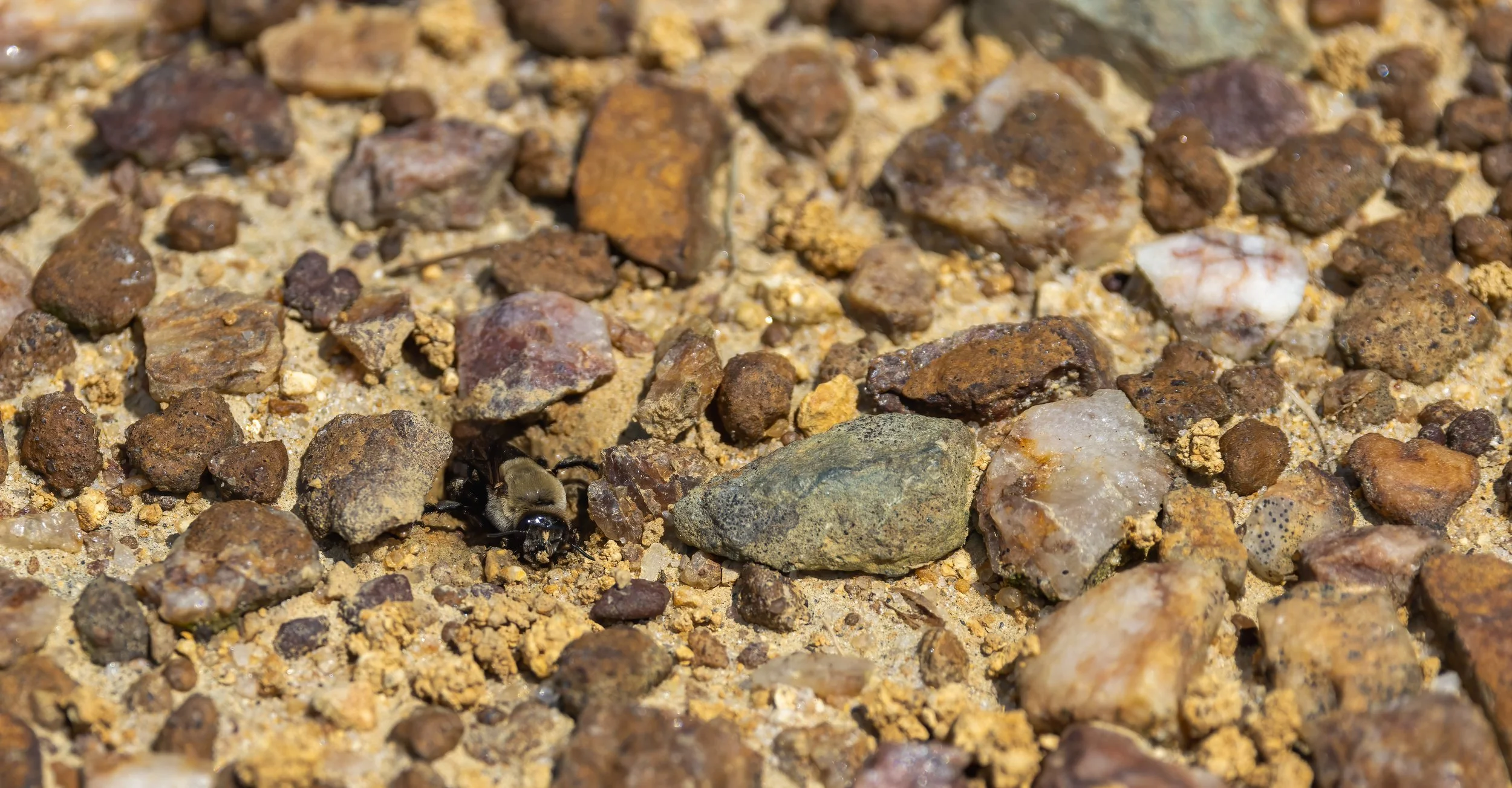
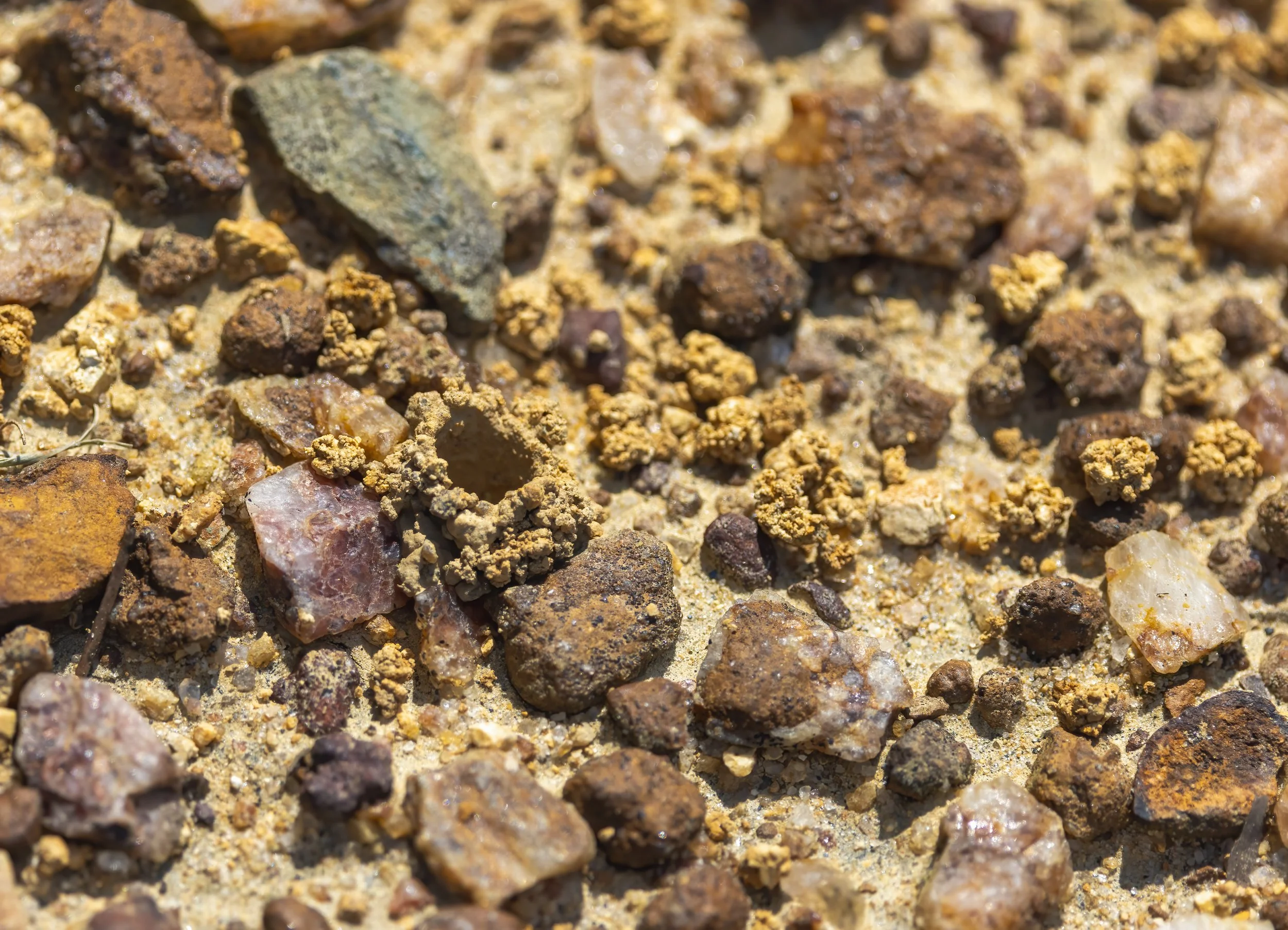
Native Bees: Many different species of bees—such as bumblebees, sweat bees, and mining bees—either dig into the soil or bury themselves in fallen leaves for insulation throughout the winter. So leave some bare soil, too.
Amphibians & Reptiles: Critters like frogs, toads, salamanders, box turtles, and small snakes rely on leaf litter for food and shelter throughout winter.
Fireflies: Fireflies spend most of their lives in leaf litter. During their larval stage, they’ll spend one to three years in the leaves, under rocks, and around rotting logs eating pests like slugs, snails, and mosquitoes.
Small Mammals: Chipmunks gather fallen leaves and use them to insulate their burrows. Even bats use leaf litter—Eastern red bats dive under fallen leaves for insulation against the cold when the temperature drops below freezing.
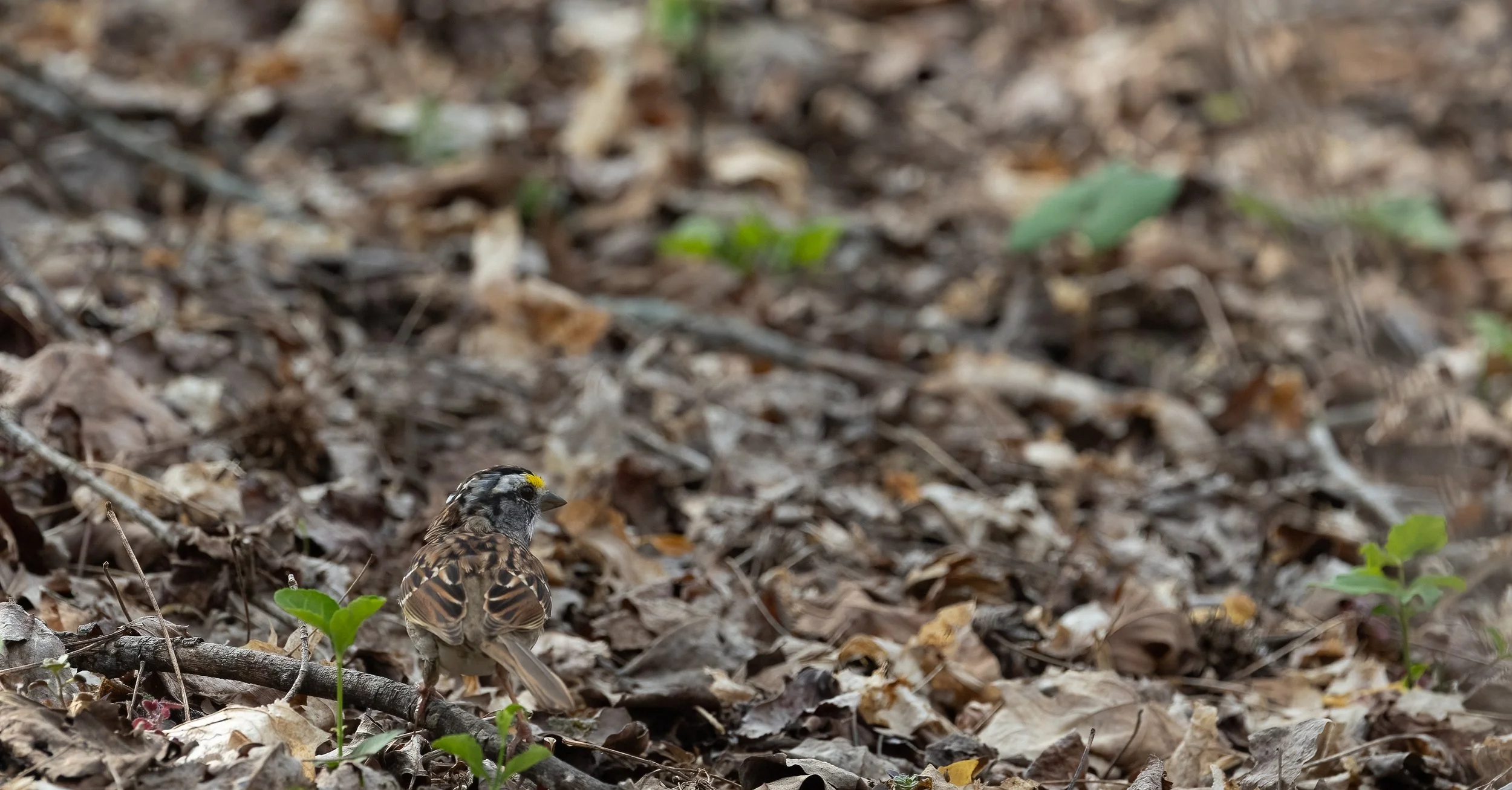
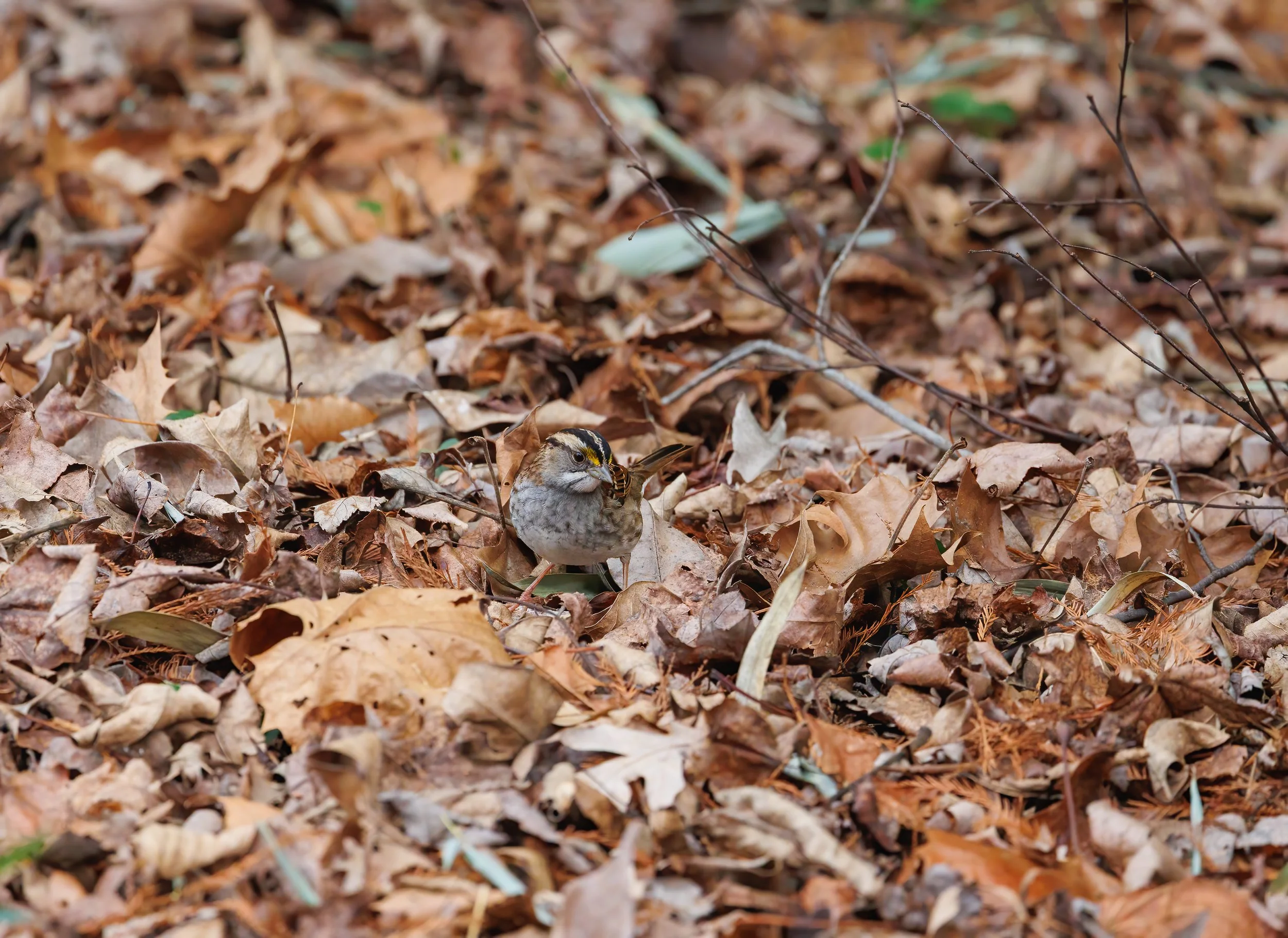
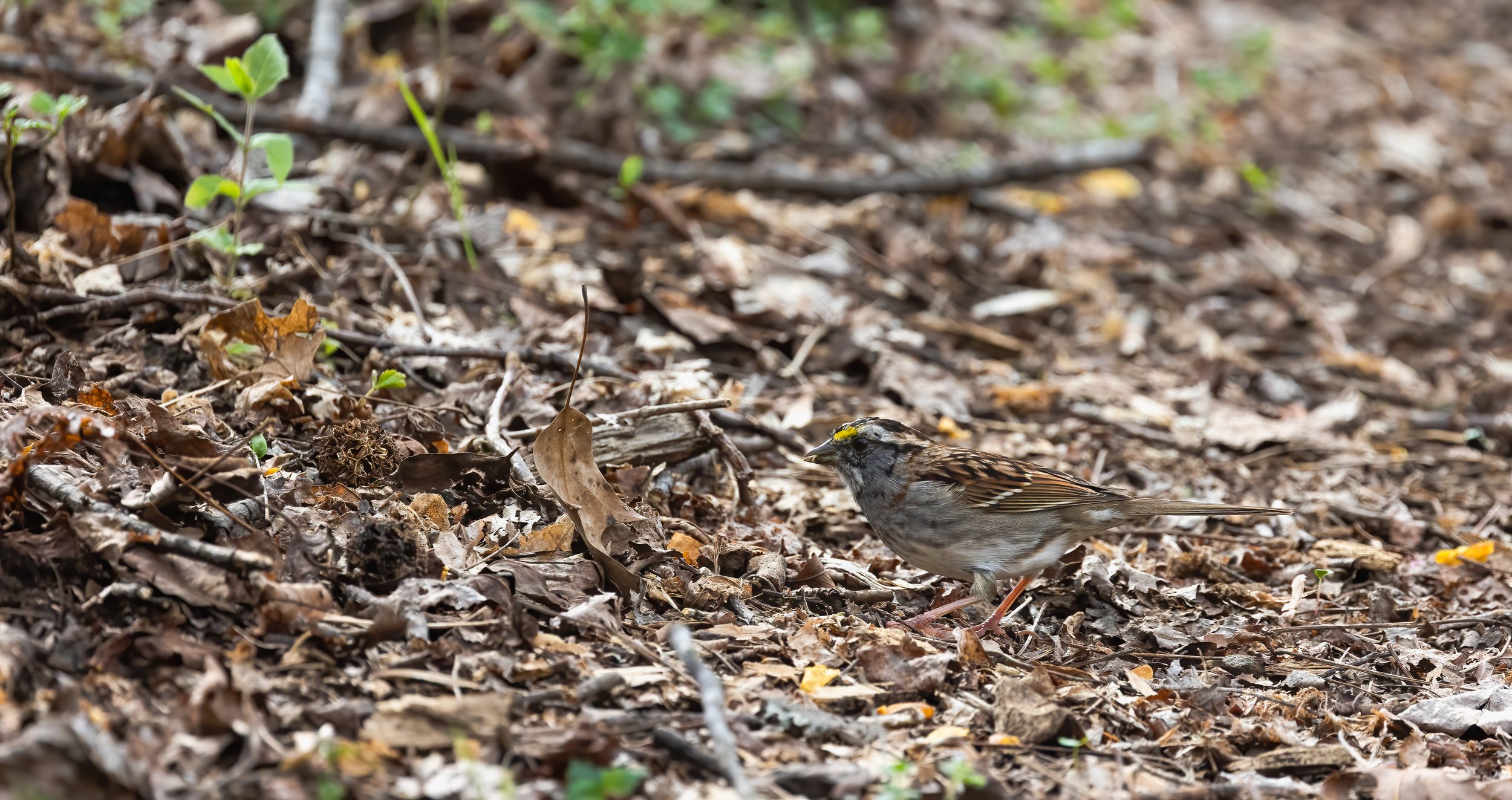
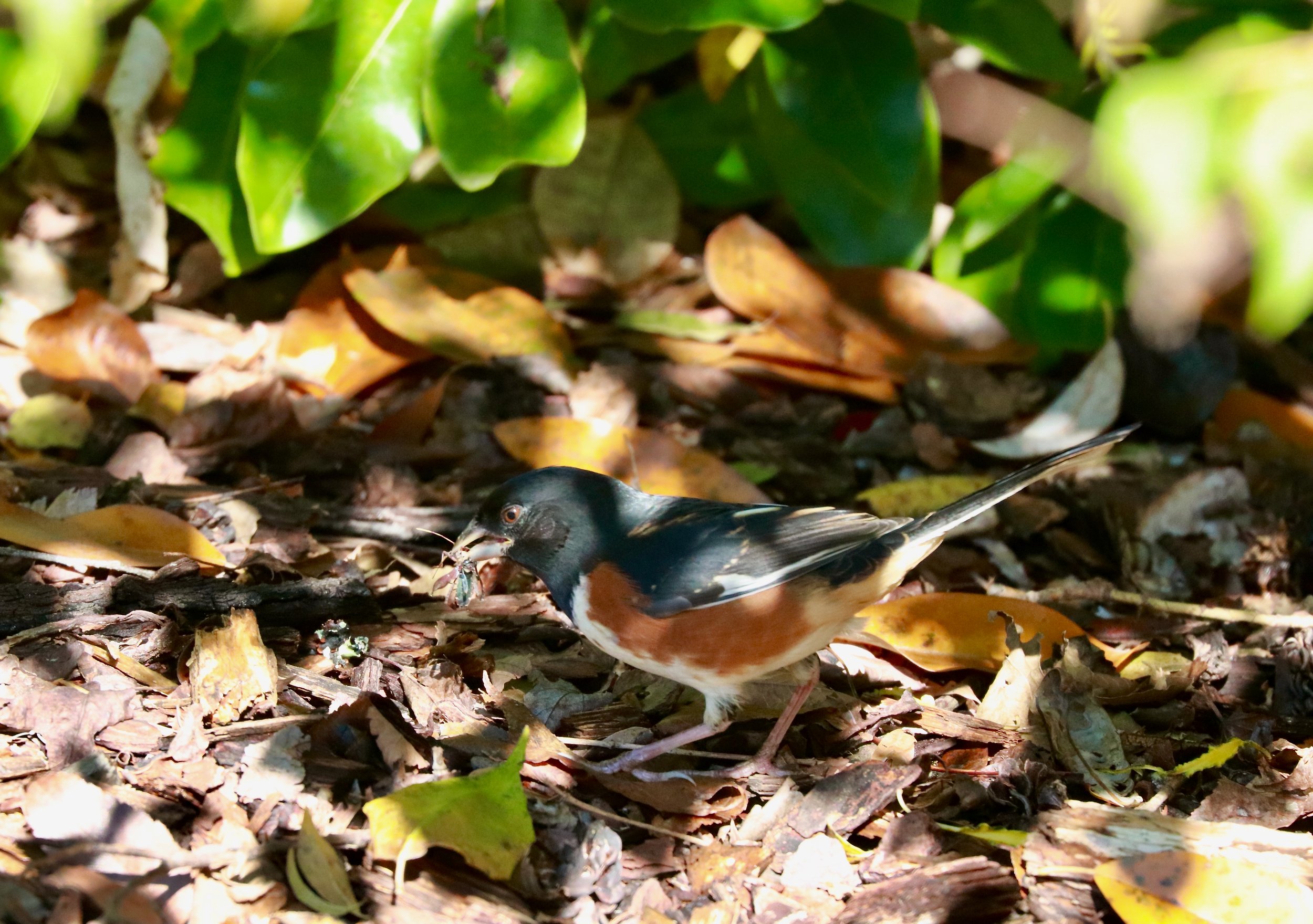
Birds: Birds like robins, sparrows, thrashers, and towhees forage for food by flipping over the fallen leaves to find overwintering insects.
Litter Moths: The larvae, or caterpillars, of most litter moth species primarily feed on dead and decaying plant and leaf material on the forest or garden floor so leaving your leaves is important to them. Adult litter moths are active at night and are important nighttime pollinators.
How to "Leave the Leaves" Gracefully
Here is how to strike a balance between a tidy yard and a thriving ecosystem:
Skip the shredder: Avoid using a mulch mower or leaf shredder if your goal is to save wildlife. Shredding leaves unfortunately chops up the very cocoons, chrysalises, and queen bees trying to hibernate inside them.
Create dynamic mulch beds: Rake whole leaves off your main lawn and pile them around your trees and shrubs. Avoid piling your leaves directly against the trunks of your trees, where constant moisture may lead to rot. Instead make a ring around the trunks a few inches away from the base, this will allow air and water to circulate naturally.
Build soft landings: Leaves placed beneath native trees are especially valuable. They will help create soft landings, or gentle areas of leaf cover and native plants, that help caterpillars as they move between trees and the ground.
Build a dedicated leaf area: If you have an abundance of leaves, rake them into a small, out-of-the-way corner of your yard, or if necessary, using a simple circle of chicken wire to build a “pen” for them.
Delay spring cleanup: Wait until temperatures are consistently above 50°F in the spring before moving or clearing away the remaining leaf litter. This ensures the overwintering insects have a chance to wake up and safely emerge!
Stems and seed heads too are valuable too
Wildlife Support
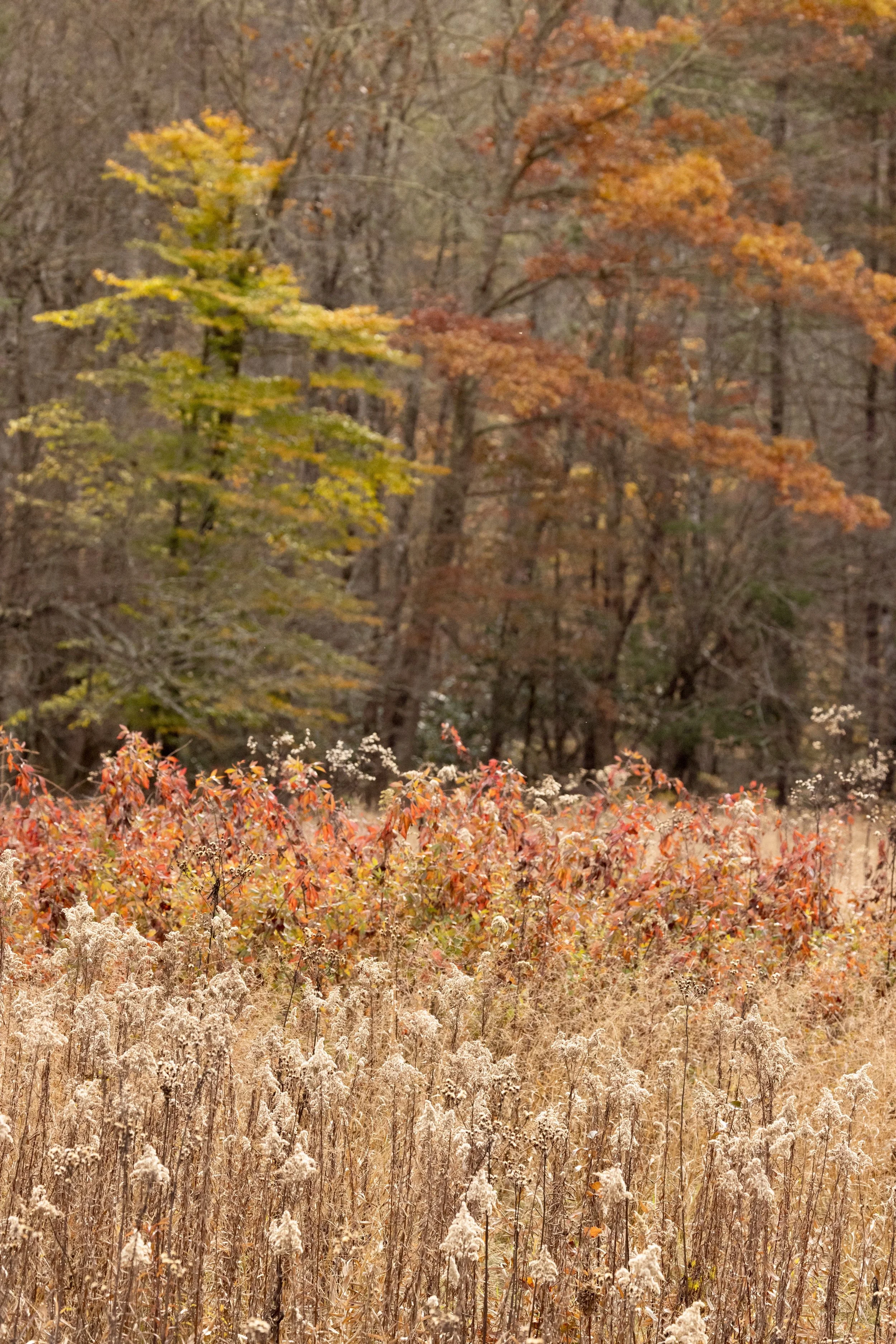
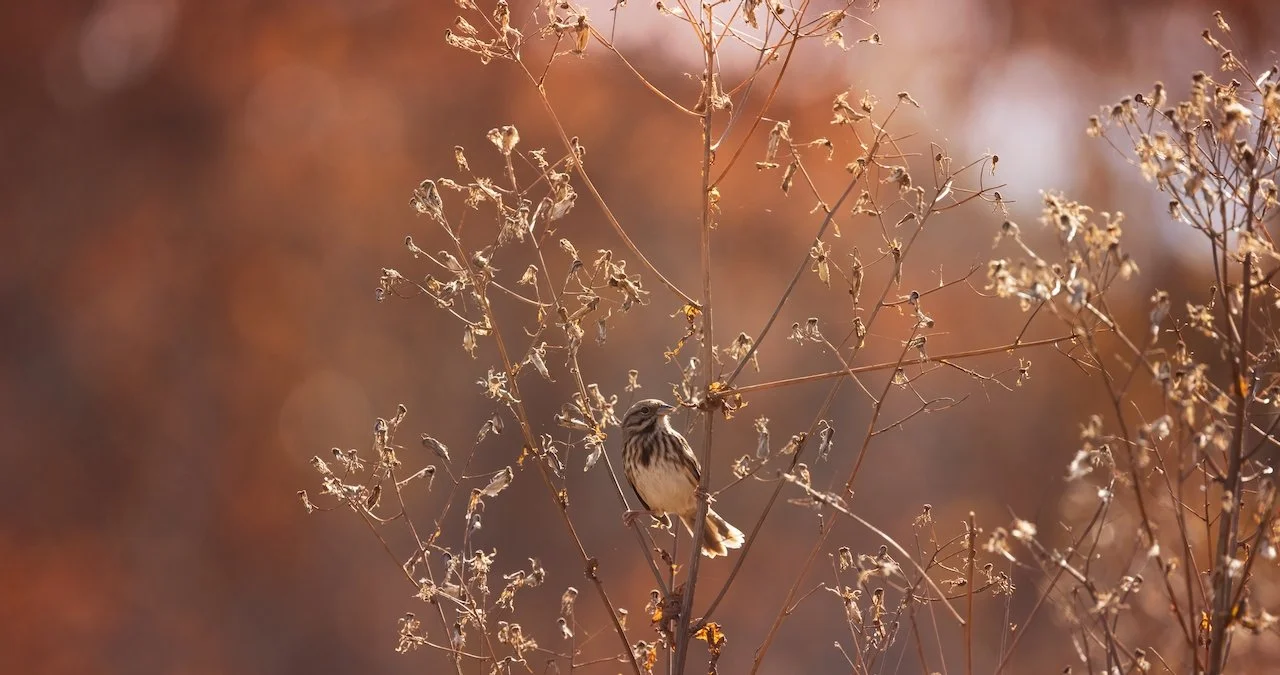
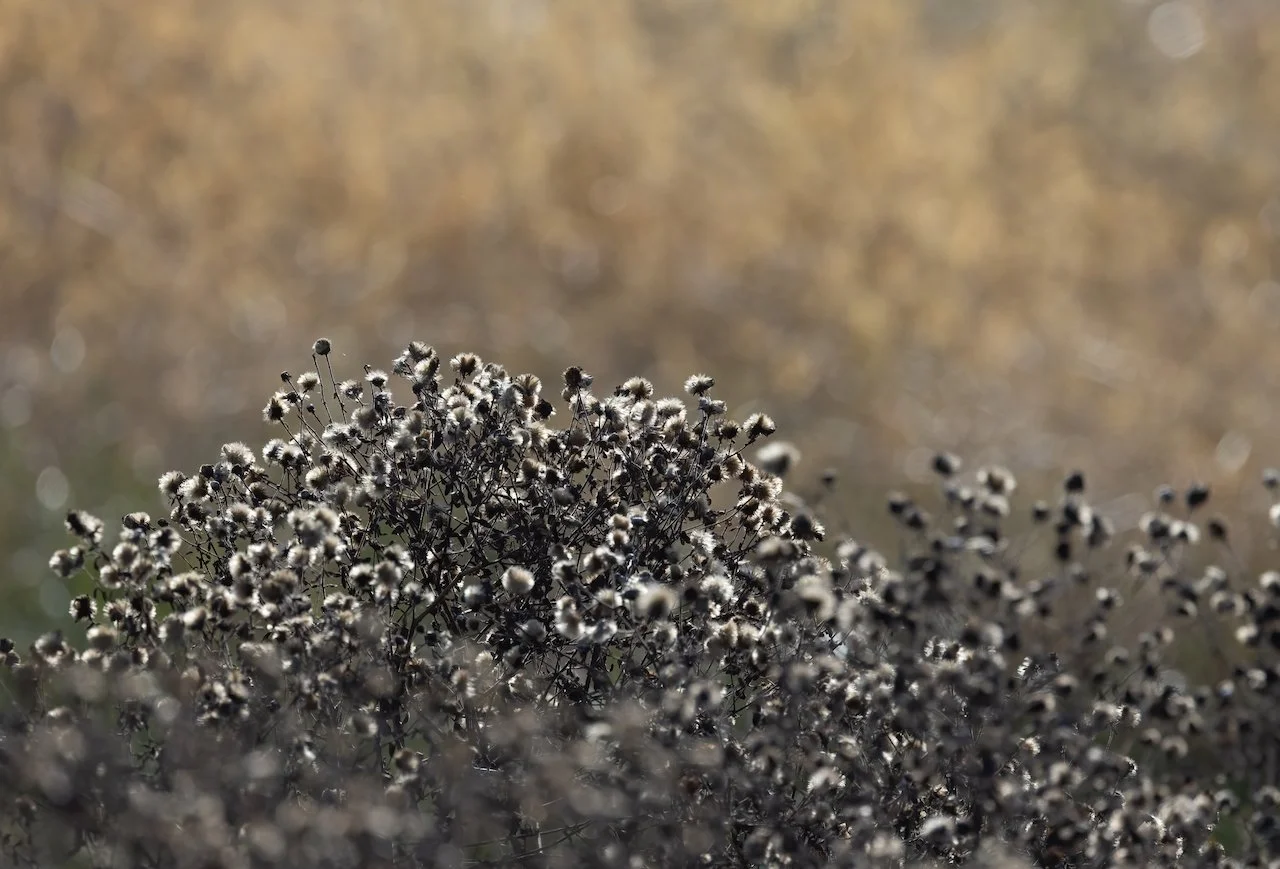
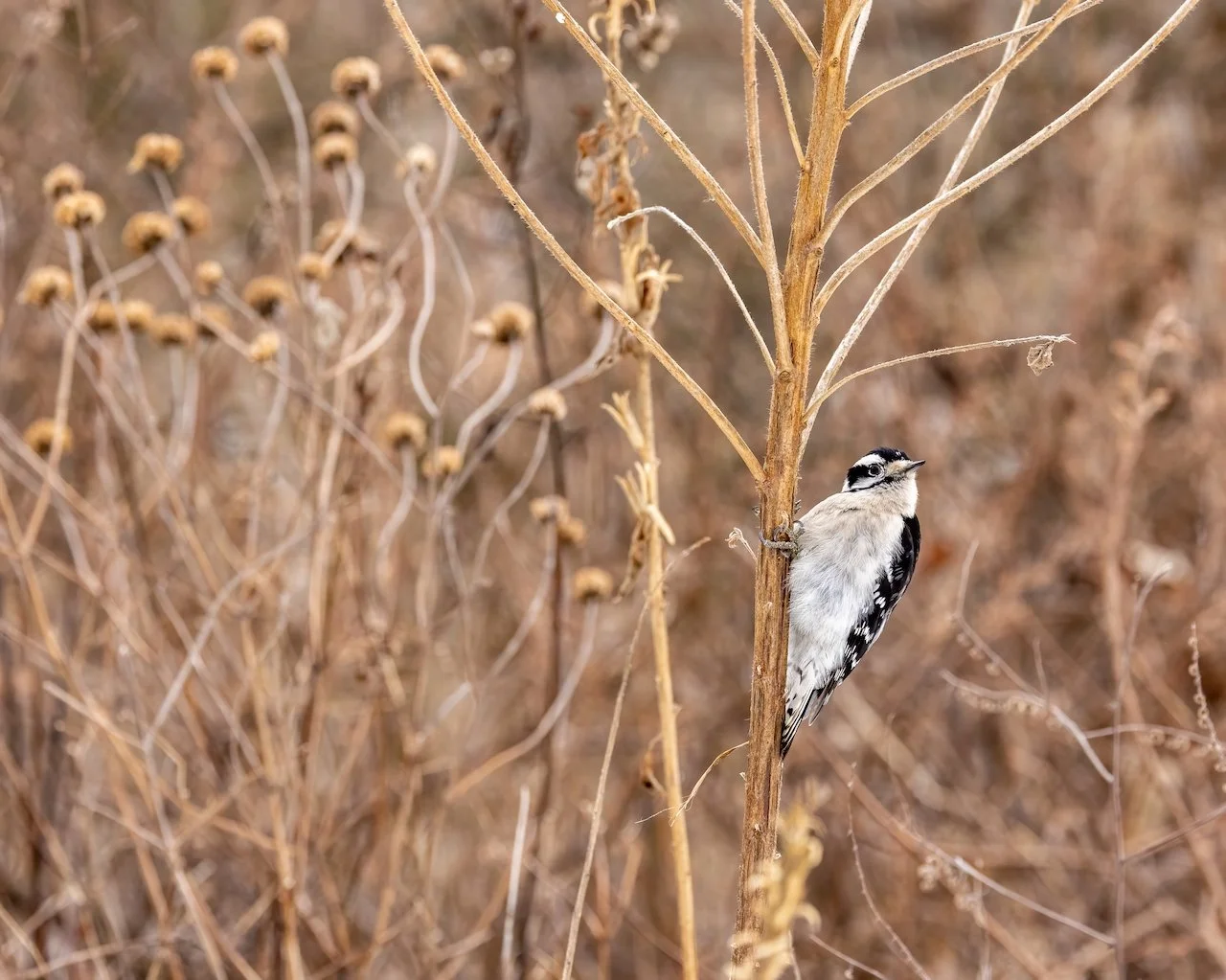
Bird Food: The dried seed heads from perennials such as coneflowers, Black-eyed Susans, and native sunflowers provide a valuable, natural food source for wintering birds like American goldfinches and sparrows during the fall and winter when insects are scarce.
Pollinator Shelter: Hollow and pithy plant stems provide overwintering sites and nesting cavities for our native solitary bees such as bumblebees, leafcutter bees, and mason bees.
Aesthetic Interest
Winter Texture: Frost covered seed heads and swaying native, ornamentals grasses add lovely shapes, textures, and tones to barren cold- season landscapes.
Build a Wild Pile
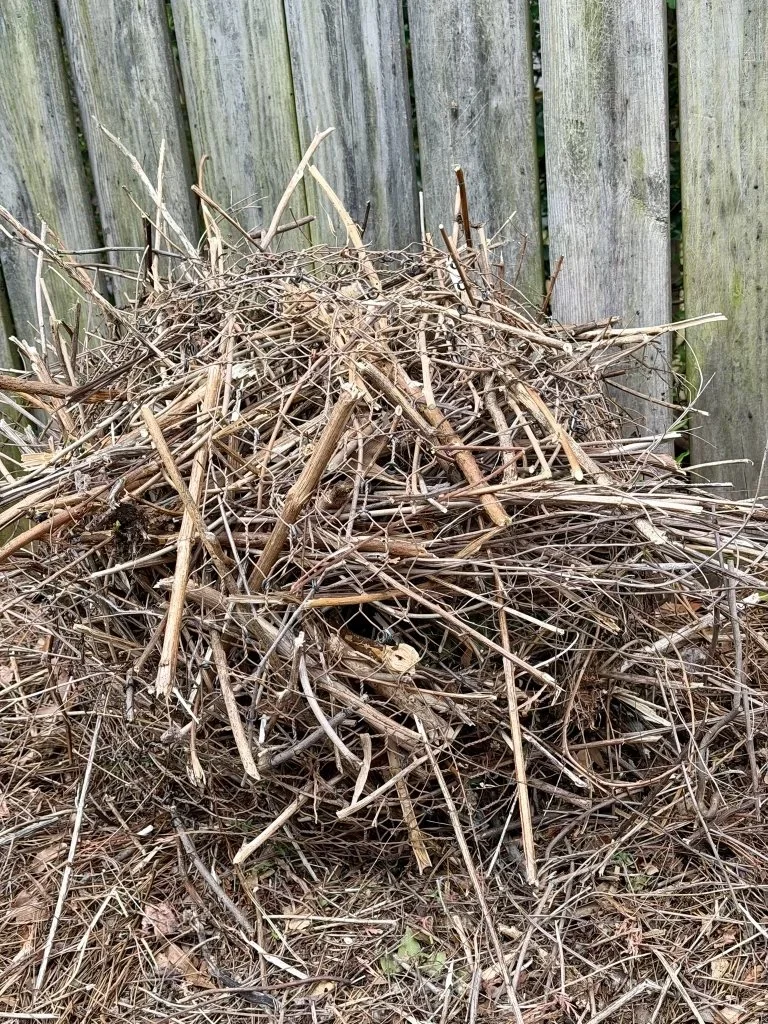
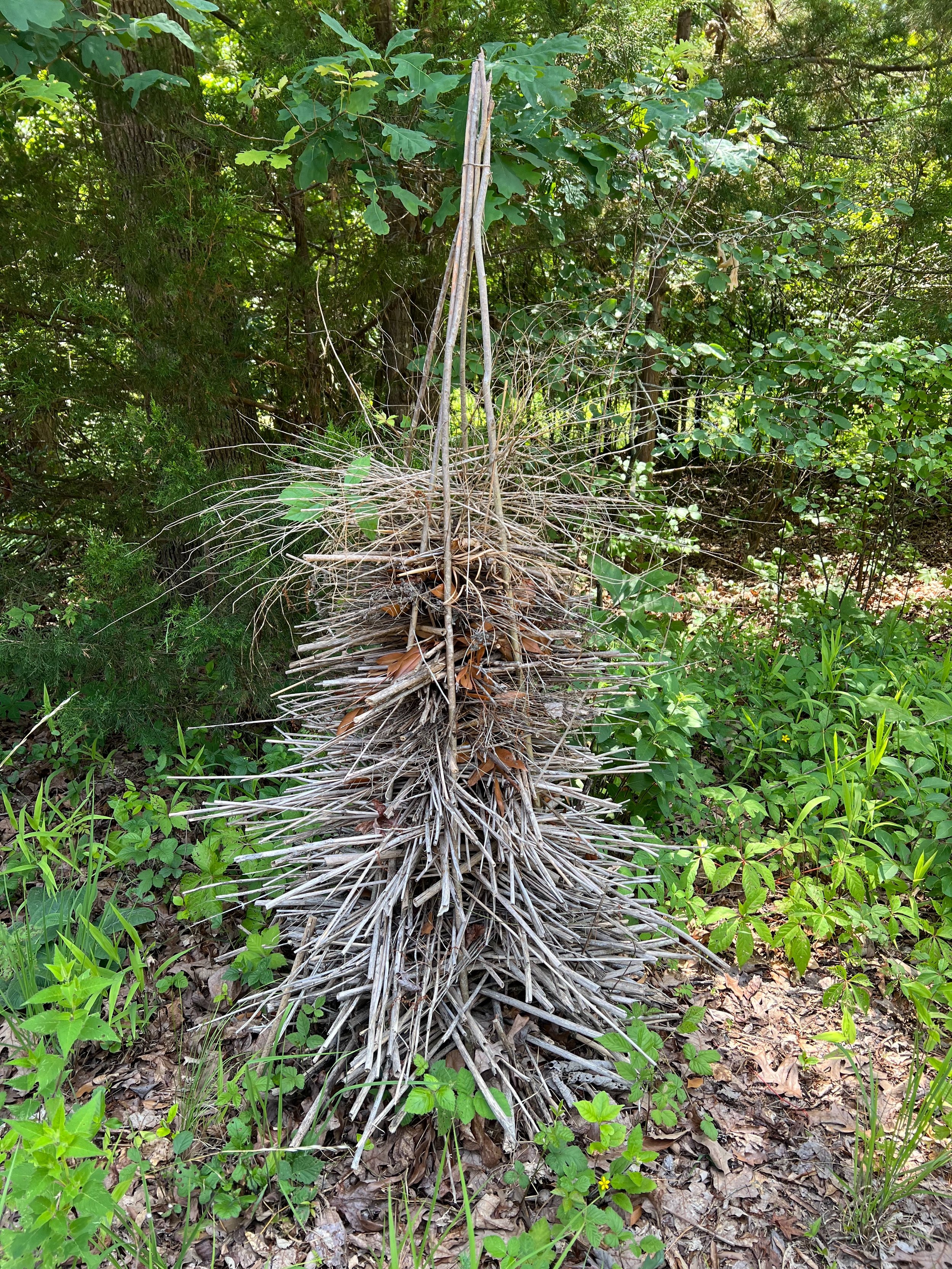
A wild pile is a purposeful addition to your yard or garden made from logs, branches, twigs, and leaves left to decompose naturally. Instead of clearing away all garden debris, stacking it creates a thriving, mini-ecosystem.
Why You Should Build One
Provides visual interest: Adds a textured, organic, and rustic aesthetic to your garden.
Provides shelter for wildlife: Serves as a critical sanctuary where small birds and mammals can seek safety amongst the dense network of twigs and stems. Many bees and other insects lay their eggs inside hollow plant stems.
Creates a natural buffet: Attracts beneficial insects, beetles, and fungi, which in turn feed local birds, amphibians, and reptiles.
Improves soil health: Breaks down slowly over time, returning vital nutrients directly back into your yard's soil.
Skip the Gas-powered Yard Tools
Pollution and Waste Reduction
Cleaner Air and Less Noise: Skipping gas-powered leaf blowers, mulchers, and mowers significantly reduces carbon dioxide emissions, neighborhood noise pollution, and your local air pollution.
Less Methane: Yard debris makes up a huge portion of solid waste. Leaving the leaves in your yard helps keep organic material out of landfills where buried leaves decompose without oxygen and release methane harmful methane gas.
Final Thoughts
This fall, give yourself permission to step away from yard work. By leaving the leaves and standing stems, you are directly supporting the biodiversity of your neighborhood and creating a vibrant, living landscape that will burst into life come spring.
Less cleanup = more life.